
Archive for the ‘spiritual identity’ Category
Choosing Life Leave a comment
 For some of us it’s a big jump to conceptualize that changes we want to make don’t start “out there” but in our own thought. This is clear to me as I listen to my diverse range of friends, many of them of retiree age, over catch-up coffees and lunches.
The Essential Ingredient for Youth Mental Health Leave a comment
 The years between 15-25 are frequently a time of questioning and great discovery, but like many others I found them difficult. I had to deal with chronic disease, failure in my chosen career, a persistent lack of self-worth along with indecision about an alternative career path, and loneliness.
Although never diagnosed, a psychologist would probably have called me depressed.
However, along the rugged path to recovering my childhood inner contentment I found that spiritual activities like prayer, research into some of the world’s most meaningful spiritual writings and participating in church were keeping me sane, mentally motivated, and connected to others in a nurturing environment.
The refocus on unselfish activities gave me a feeling of self-worth again and also contributed to a hopefulness that things would get better. In time, it opened up previously unknown pathways to fulfillment.
Rather than restricting me or quashing my critical thinking, my adolescent research into the spiritual nature of mental and physical health made me realise that what I needed all along was to put into daily practice a growing understanding of my radically awesome relationship to the Divine Being.
To the degree that I acknowledged it, I found that I could actually experience divine Love expressing kindness and unselfishness in me; the divine Mind reflecting intelligence and wisdom in me; the divine Life demonstrating health and wellbeing in me; and so on (ideas from Science and Health by Mary Baker Eddy).
Things started to go right for me again. You could say that I saw “the wilderness and desert begin to blossom as the rose”, an image so beautifully depicted in the Bible.
Perhaps not surprisingly, I ended up more consistently in the right head space with a much better view of myself – and was probably a lot more likeable, as well!
A 2008 study published in Australian Family Physician and written by Dr Craig Hassed, Faculty of Medicine at Monash University in Melbourne, reported that “Spirituality is an important determinant of physical, emotional and social health…”
When commenting on escalating trends in youth mental illness his study suggests that “there may be too little attention being given to the ‘protective factors’ against mental illness, of which, particularly for adolescents, are connectedness and having a spiritual or religious dimension to one’s life” (Hassed, The role of spirituality in medicine, 2008).
It’s heartening to learn that spirituality is acknowledged as central to youth mental health by a growing number of psychologists.
It seems to me that clinicians need to speak to the community more about the benefits of spirituality in the treatment of anxiety and depression, and not just in young people, but for everyone.
A spiritual dimension to life will undoubtedly assist you, whether you’re young or old, as you seek (and find) a better, healthier and happier you. That would be the real you!
This article, by Kay Stroud, has been published in the Sunshine Coast Daily, Lismore Northern Star and Bundaberg News Mail. Kay is a freelance writer focussing on the undeniable connection between our thinking and our health.
A Timeless Beauty 1 comment
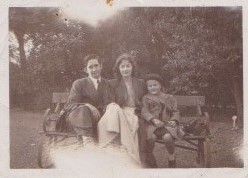 I was looking at an old black and white photo of my mum the other day. I guess she would have been in her early twenties so it was probably taken about 70 years ago. My mum was quite a beautiful lady and as a young woman she was very lovely. She had a special grace about her that made you want to look longer.
I began to think, if she was around today looking like that you would still have to say she was beautiful, but she wouldn’t fit today’s standards of beauty. Her skin was whiter, her body fleshier, her hair contrived into curls and she wore a pretty frock. This set me to thinking about what beauty really is. In each era fashion seems to give us strict dictates as to what the ideal look is – how tanned our skin should be, how lean our body, even the shape of our eye-brows. If we are not careful this can lead to a sense of striving for the impossible – not many of us fit that ideal model. So does this mean that we are not beautiful?
The qualities people saw in my mother – intelligence, calmness and strength in the face of trouble, joy at the little things, devotion to family and friends, innocence, resilience, energy – these qualities shone out of her right to the last. They were the qualities that people mentioned when they commented on how lovely my mother was. They didn’t mention her physical appearance. They mentioned qualities they saw. Mary Baker Eddy, one of the first women to investigate thoroughly the connection between consciousness and experience, writes in her textbook, Science and Health: Beauty, as well as truth, is eternal; but the beauty of material things passes away, fading and fleeting as mortal belief. … Comeliness and grace are independent of matter (p247).
She goes on to say:
All beauty and goodness are in and of Mind, emanating from God; but when we change the nature of beauty and goodness from Mind to matter, the beauty is marred, through a false conception, and, to the material senses, evil takes the place of good (Rudimental Divine Science p6).
Perhaps if we put as much thought and effort into developing these beautiful qualities of Mind as we do our outward appearance our beauty would be less ephemeral and grow and blossom with the passing years.
This post was submitted by Deborah Packer of Canberra.
Is This Body Me? Leave a comment
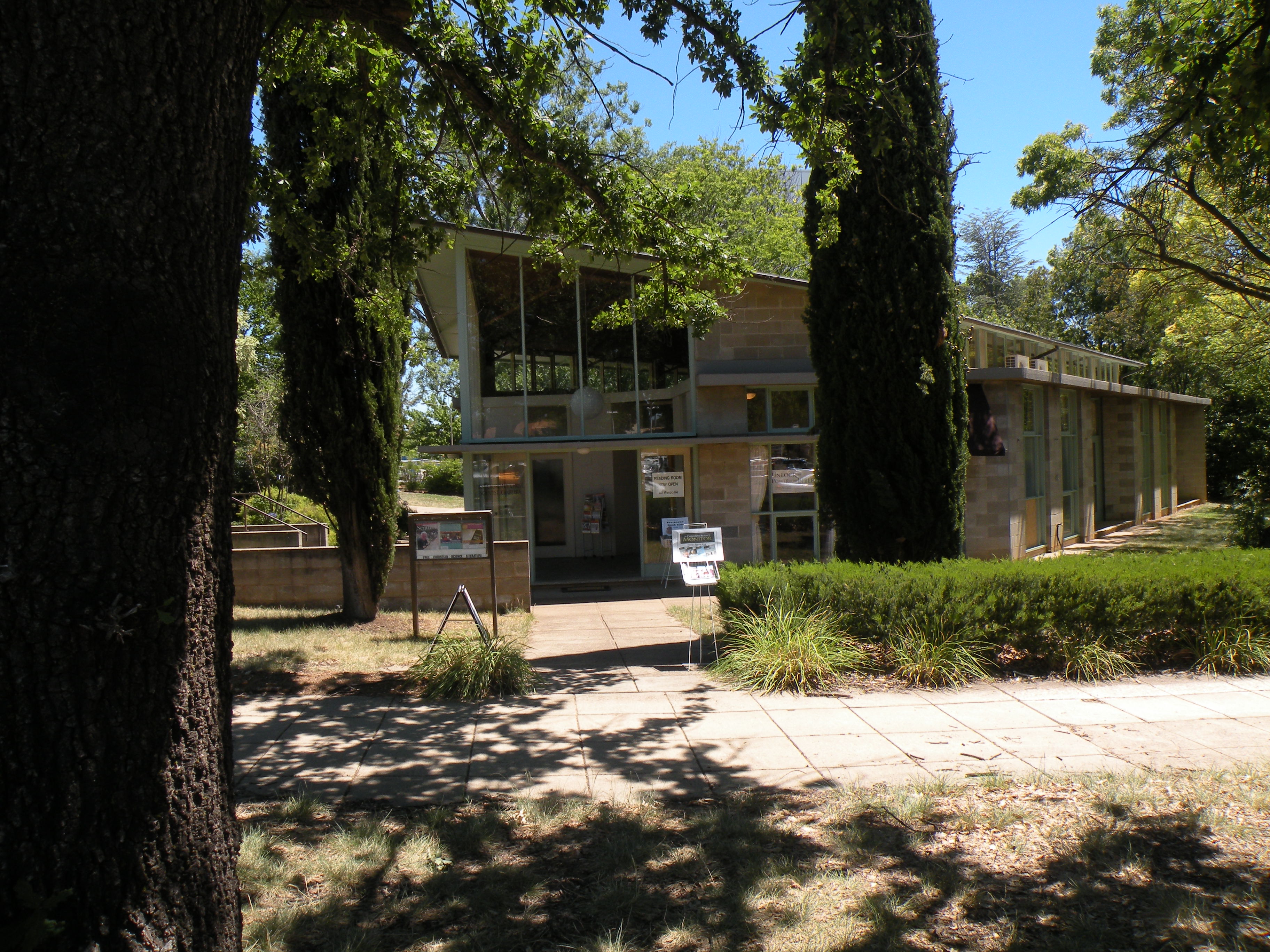 Is This Body Me? – Readings from the Bible and the textbook of Christian Science, Science and Health with Key to the Scriptures by Mary Baker Eddy.
Every Wednesday at 6.15 pm a Testimony Meeting is held at the Christian Science Church in Canberra. Each meeting begins with readings selected from the two books designated as the Pastor of Christian Science: The Bible and Science and Health with Key to the Scriptures by Mary Baker Eddy. A new topic for the readings is selected each week.
At the conclusion of the short readings the congregation is invited to share thoughts on this topic and relate how they have used the principles of Christian Science to solve life’s problems and bring physical healing.
If you are in Canberra on any Wednesday please join us. Everyone is welcome.
This recording represents the readings on the topic: Is This Body Me?
.
Your Age Doesn’t Define You 6 comments
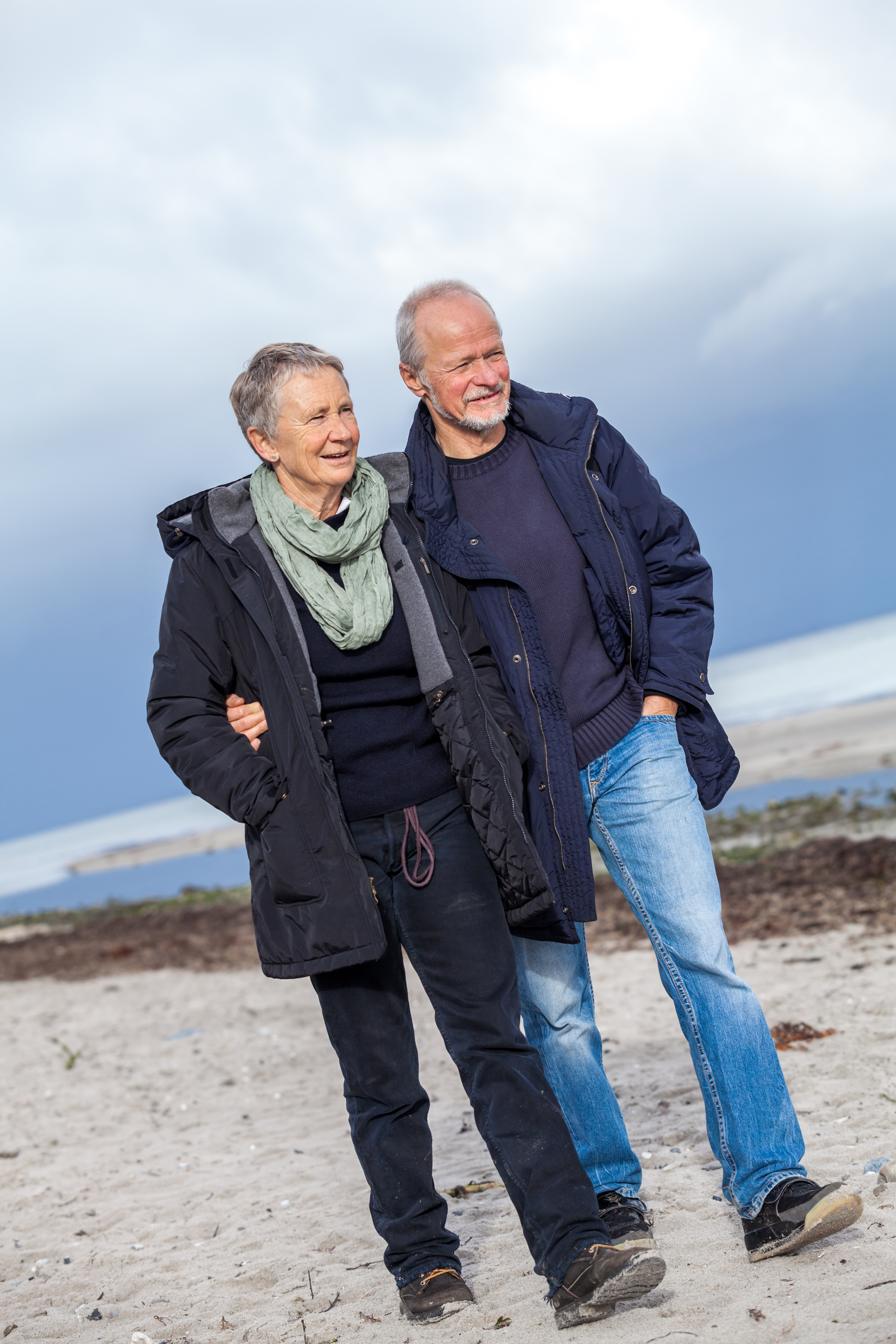 Do you believe that you are you are ‘as young as you feel’? That you’re free to take charge of your own health, happiness and wellbeing, no matter what your age?
In frustration at some of the ingrained beliefs about aging that he saw shackling his colleagues and friends as they grew older, an American baseball legend asked, “How old would you be if you didn’t know how old you were?” implying that you need to break out of the mental conditioning that makes you think you are defined by your age.
The calendar is a useful way to let you know the date, but if you let yourself be hemmed in by your chronological age, you may lock yourself out of potentially valuable opportunities.
Nextgen population researchers have recognised the greater import of health, cognitive function and life expectancy rather than age data as they plan for future populations. “We should not consider someone who is 60 or 65 to be an older person,” said researcher Sergei Scherbov. “Saying that ‘40 is the new 30’ .. is truer than people know.”
We’ve heard how our health age can be years younger than our calendar age, if we’re active and eat sensibly. Now, research into the mind/body/spirit connection in several fields, including neuroscience and meditation, adds evidence to the claim that it is our mindset, more than the food we eat or the exercise we do, that affects our physical body.
Excited by the health implications of the mind sciences, a Cleveland Clinic Foundation exercise psychologist compared individuals who worked out at a gym against another cohort who just visualized working out. Not surprisingly, the gym-goers experienced a 30 percent increase in muscle. However, the ones who only thought about working out also experienced a 13% increase in muscle strength, urging us to think beyond the physical to mental attitudes and capacities.
Many integrative health practitioners take this a step further, asserting that it is spiritual thoughts and practices that make a significant difference to better health and longevity. Mary Baker Eddy, an early researcher into this connection in her book, Science and Health, suggests that we “…. shape our views of existence into loveliness, freshness, and continuity, rather than into age and blight” for a longer, healthier and happier life.
She also suggests that it’s time to stop focussing on the body so much, and be aware of the myths about aging that are constantly influencing us. Be aware that “timetables of birth and death are so many conspiracies against manhood and womanhood”, and stop keeping a record of ours or others ages; or at least dispute the assumptions of debility and aging every time you buy a birthday card.
Healthwise, it’s worth acknowledging that spiritual, mindful or positive thoughts bring vitality, freshness and promise to each day.
Some have broken free from the belief that they’re ruled by an aging body. You too can adopt a mental attitude of ageless being, and look forward to experiencing the health benefits.
This article, Your Age Doesn’t Define You, is by Kay Stroud. Kay is a health writer focussing on the leading edge of consciousness, spirituality and health. Her articles can be found on Health4Thinkers.
Why being young at heart works. Is there a science behind it? 1 comment
 Thank you to Sarah Marinos of body+soul at the Courier-Mail, for writing an article recently on the health benefits of thinking and acting younger – “Why being young at heart works“. Amongst the myriad of ads by the pharmaceutical companies, this article was unexpectedly thought-provoking and brought to my attention the work of Dr Ellen Langer, Harvard University psychologist and scientific investigator who conducted a landmark experiment 30 years ago where she had seniors live in a secluded monastery as though it were 1959. The results were surprising. After a week of living as though they were younger men, the pensioners were more flexible, had better hearing and memory and felt stronger. And they also looked younger.
This experiment was the forerunner of the British ABC’s TV program, the Young Ones that I recommended in a previous blog post, “Could it be that we all have the power to think ourselves young again?”
Langer has studied the way our mind influences our body and appearance and is the person who coined the word ‘mindfulness’. “When people are taught to be mindful in a fashion very different from meditation, they become more creative, healthier, and happier”, she wrote.
In Langer’s book, counterclockwise: Mindful Health and the Power of Possibility, she reminds readers that many definitive-sounding medical diagnoses are in fact best guesses. In a sense, this is a book about the limits of empirical knowledge. But as Langer sees it, the ambiguity that inevitably accompanies medical research can be profoundly liberating. If we can’t be sure that a diagnosis — or a widely accepted truism such as “memory loss is inevitable with age” — is true, we’re less likely to apply a self-limiting label to ourselves.
So what does this mean for you and me? Are these experiments miracles or is there a law in place?
I put the question another way. What if society’s current standards and expectations were the aberration and health and eternal life the reality?
The consistent findings from these experiments point to a law or science in place. I understand it to be a divine Science. Towards the end of the 19th Century the author of the first and complete book about the laws of reality, Mary Baker Eddy wrote, “Because of human ignorance of the divine Principle, Love, the Father of all is represented as a corporeal creator; hence men recognize themselves as merely physical, and are ignorant of man as God’s image or reflection and of man’s eternal incorporeal existence.” (Science and Health with Key to the Scriptures)
Christian Science makes it clear that mankind’s misunderstanding of the reality of being, of what God is and of what man really is, handicaps our life experience thus far.
This article by Kay Stroud was orginially published on her blog site. Kay is a health writer focussing on the leading edge of consciousness, spirituality and health. Contact her to learn more about it, including Christian Science, via www.health4thinkers.com.
Love Heals – A Talk by Beth Packer 4 comments
It’s Never Too Late to Find a Deeper Understanding of Love
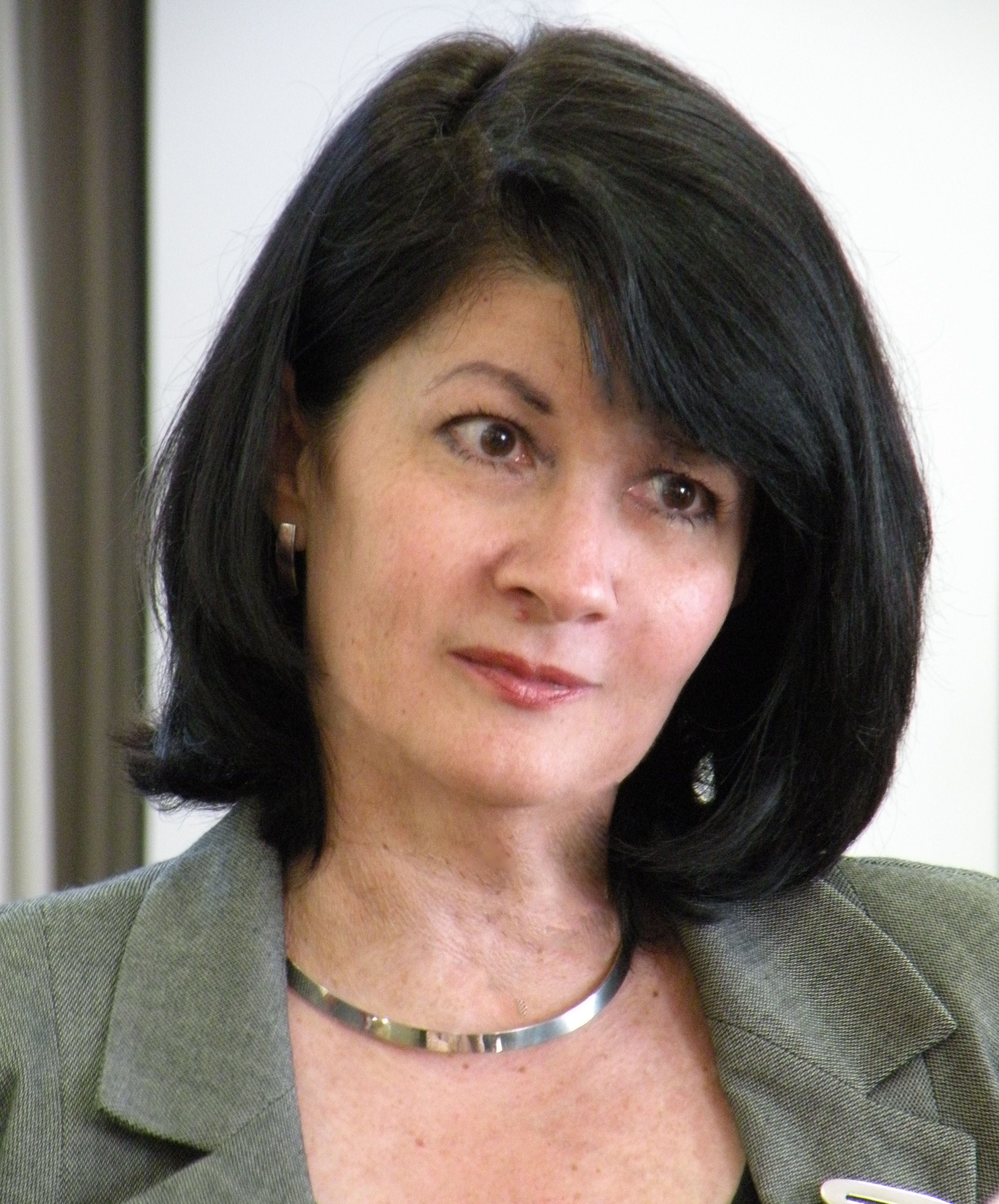 At the invitation of the Christian Science Church in Canberra international speaker, Beth Packer, will be speaking to the Canberra community on Sunday 22 September at 2.30 pm in the Reception Room of the Legislative Assembly Building on London Circuit.
Worldwide, people have heard and loved her moving talk titled, “Love Heals”.
Beth says, “I’ve found that people everywhere, at all stages of their lives, are looking for much the same things – to know that there are solutions to their problems – whether they are problems related to health, companionship, family, finances or our individual sense of purpose. We all need to know that we’re not alone or lost in the world, that there is hope and healing”. She says, “I’ve found through personal experience that the knowledge that God knows each one of us and loves us, is like turning a light on in the darkness, and has brought practical healing solutions to my life even in the toughest, most uncertain times.”
This beautiful talk shows through a personal journey and through healing examples, that the recognition that we are all truly known and deeply loved by God, who is Love, can bring healing and restoration to our lives, our relationships, and our health. It includes examples of the healing of illness, deafness and severe accident, as well as thoughts of suicide.
Beth said, “Together, we’ll explore our true identity as the dearly beloved of God, a knowledge that can transform our lives, making us happier, healthier, and holier”. These ideas are based on the teachings of Jesus as recorded in the Bible, and as discussed in Science and Health with Key to the Scriptures by Mary Baker Eddy.
Having been both an award winning artist and a successful retailer, Beth has lived with her husband and two girls in both Australia and the Middle East. Whatever she was involved in, always she found that prayer was her most effective means for solving the practical problems of everyday life. Eventually, it became clear that this was the best way she could help the world so, fulfilling a lifetime desire to help and heal others, she became a full-time practitioner of Christian Science healing.
Beth is a member of the Christian Science Board of Lectureship. She travels worldwide from her home on the South Coast of NSW.
This free public lecture is given as a gift from the members of Christian Science Church to the people of Canberra. It brings a message of hope and reassurance.
For further enquires ring 0408274498 or visit the Bookshop and Reading Room on the corner of Macquarie and Bligh Streets, Barton.
Listen to a recording of Love Heals.
 Christian Science Canberra