
.
… thou shalt shine forth, thou shalt be as the morning.
(The Bible KJV – Job 11: 17 thou)
Let your light so shine before men, that they may see your good works, and glorify your Father which is in heaven.
(The Bible KJV – Matthew 5: 16))

.
… thou shalt shine forth, thou shalt be as the morning.
(The Bible KJV – Job 11: 17 thou)
Let your light so shine before men, that they may see your good works, and glorify your Father which is in heaven.
(The Bible KJV – Matthew 5: 16))
Posted August 19, 2026 by cscanberra in Ability and talents, Bible Lesson, Bible study, Christ message, Identity, relationships, Resolutions, spiritual identity, Thought
Tagged with Being an example, Jesus' teaching, Letting our light shine
These readings are from the Bible (KJV) and from the textbook of Christian Science, Science and Health with Key to the Scriptures by Mary Baker Eddy. They explore the topic of The Inspired Word of the Bible.
.
For whatsoever things were written aforetime were written for our learning, that we through patience and comfort of the scriptures might have hope.
(The Bible – Romans 15: 4)

Posted June 27, 2026 by cscanberra in Bible study, Christ-ideas, Christian Science, Eternal life, God, Happiness, Spiritual Comfort, Spirituality, Wednesday Testimony Meeting, Wellbeing
Tagged with Bible Lessons, Inspiration, The Scriptures

If any of you lack wisdom, let him ask of God, that giveth to all men liberally, and upbraideth not; and it shall be given him.
But the wisdom that is from above is first pure, then peaceable, gentle, and easy to be entreated, full of mercy and good fruits, without partiality, and without hypocrisy.
And the fruit of righteousness is sown in peace of them that make peace.
(The Bible KJV – James: 1: 3; 3: 17,18)
Posted April 13, 2026 by cscanberra in Bible study, Brotherhood, Christ message, Christ-ideas, Consciousness, God, Happiness, Peace, Thought, Tolerance, Values, Wellbeing
Tagged with Jesus, Jesus' instructions, Wisdom
These readings are from the Bible (KJV) and from the textbook of Christian Science, Science and Health with Key to the Scriptures by Mary Baker Eddy and are on the topic of Tolerance.
.

Have we not all one father? hath not one God created us? why do we deal treacherously every man against his brother,
(The Bible KJV – Malachi 2: 10)
If a man say, I love God, and hateth his brother, he is a liar: for he that loveth not his brother whom he hath seen, how can he love God whom he hath not seen?
(The Bible KJV – I John 4: 20)
Posted March 7, 2026 by cscanberra in Bible study, Brotherhood, Christ message, Christian Science Canberra, Conflict, Consciousness, Forgiveness, Happiness, Love, past hurts, Peace, Prayer for the world, Racial Tension, relationships, Religious Conflict, Thought, Tolerance, Values, Wednesday Testimony Meeting, Wellbeing
Tagged with brotherhood, brotherly love, Forgiveness, Tolerance
These readings are from the Bible (KJV) and from the textbook of Christian Science, Science and Health with Key to the Scriptures by Mary Baker Eddy and are on the topic of Christmas – the Story of Jesus the Christ.

.
Jesus was the son of a virgin. He was appointed to speak God’s word and to appear to mortals in such a form of humanity as they could understand as well as perceive. Mary’s conception of him was spiritual, for only purity could reflect Truth and Love, which were plainly incarnate in the good and pure Christ Jesus.
(Science and Health with Key to the Scriptures by Mary Baker Eddy p332: 23)
Posted December 25, 2025 by cscanberra in Angel messages, Bible study, Christ message, Christian Science Canberra, Christmas, God, Wednesday Testimony Meeting
Tagged with Birth of Jesus, Christ, Christmas, Jesus
These readings are from the Bible (KJV) and from the textbook of Christian Science, Science and Health with Key to the Scriptures by Mary Baker Eddy and are on the topic of The Christ.
.

Christ, as the spiritual or true idea of God, comes now as of old, preaching the gospel to the poor, healing the sick, and casting out evils.
(Science and Health with Key to the Scriptures by Mary Baker Eddy p347: 14-17)
Wearing in part a human form (that is, as it seemed to mortal view), being conceived by a human mother, Jesus was the mediator between Spirit and the flesh, between Truth and error. Explaining and demonstrating the way of divine Science, he became the way of salvation to all who accepted his word. From him mortals may learn how to escape from evil.
(Science and Health with Key to the Scriptures by Mary Baker Eddy p315: 29)
Posted December 10, 2025 by cscanberra in Bible study, Christ message, Christian Science Canberra, God, spiritual identity, Wednesday Testimony Meeting
Tagged with Christ Jesus, Jesus, The Christ
These readings from the Bible (KJV) and Science and Health with Key to the Scriptures by Mary Baker Eddy are inspired by the command to love God.
.

Hear, O Israel: The Lord our God is one Lord: And thou shalt love the Lord thy God with all thine heart, and with all thy soul, and with all thy might.
(The Bible – Deuteronomy 6: 4, 5)
God is incorporeal, divine, supreme, infinite Mind, Spirit, Soul, Principle, Life, Truth, Love.
(Science and Health with Key to the Scriptures by Mary Baker Eddy p465: 9)
Posted November 12, 2025 by cscanberra in Bible study, Christ message, Christian Science Canberra, God, Love, Values, Wednesday Testimony Meeting, Wellbeing
Tagged with First Commandment, God
These readings, from the Bible and the textbook of Christian Science, Science and Health with Key to the Scriptures by Mary Baker Eddy, are on the topic: With God All Things are Possible.
.
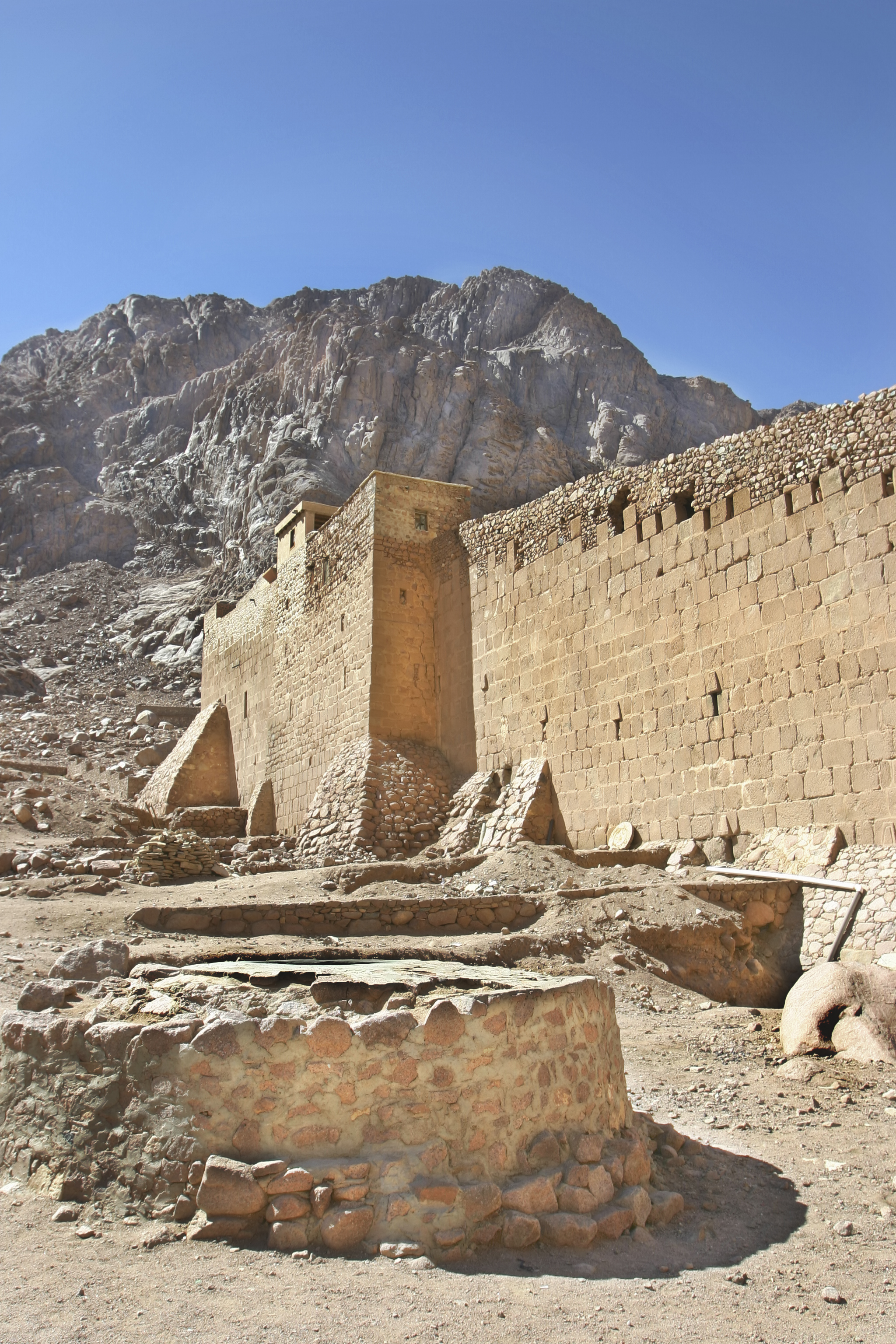
When man is governed by God, the ever-present Mind who understands all things, man knows that with God all things are possible.
(Science and Health with Key to the Scriptures by Mary Baker Eddy p180: 25)
Posted October 2, 2025 by cscanberra in Bible study, Christian Science Canberra, Environmental Issues, God, Prayer for the world, Safety, Spiritual Comfort, Supply, Wednesday Testimony Meeting, Wellbeing
Tagged with Fearless living, Nothing impossible, Safety with God

.
… I will put my law in their inward parts, and write it in their hearts; and will be their God, and they shall be my people.
… and I will cure them, and will reveal unto them the abundance of peace and truth.
(The Bible KJV – Jeremiah 31:33; 33:6)
Posted July 27, 2025 by cscanberra in Bible study, God, Love, Peace, Safety, Spiritual Comfort, Wellbeing
Tagged with Divine Protection, Fearless living, Safety with God
.
.

.
These readings from the Bible (KJV) and from the textbook of Christian Science, Science and Health with Key to the Scriptures by Mary Baker Eddy, are on the Sermon on the Mount (Matthew 5-7).
Posted June 6, 2025 by cscanberra in Bible study, Brotherhood, Christ message, Christ-ideas, Christian Science, Christian Science Canberra, Happiness, Love, relationships, Values, Wednesday Testimony Meeting
Tagged with Jesus' Teachings, the Sermon on the Mount

 Christian Science Canberra