
Archive for the ‘Identity’ Category
A Timeless Beauty 1 comment

Who Am I Really? Leave a comment
 Who Am I Really – Readings from the Bible and the textbook of Christian Science, Science and Health with Key to the Scriptures by Mary Baker Eddy.
Every Wednesday at 6.15 pm a Testimony Meeting is held at the Christian Science Church in Canberra. Each meeting begins with readings selected from the two books designated as the Pastor of Christian Science: The Bible and Science and Health with Key to the Scriptures by Mary Baker Eddy. A new topic for the readings is selected each week.
At the conclusion of the short readings the congregation is invited to share thoughts on this topic and relate how they have used the principles of Christian Science to solve life’s problems and bring physical healing.
If you are in Canberra on any Wednesday please join us. Everyone is welcome.
This recording represents the readings on the topic: Who Am I Really?
Is there a daily diet that curbs perfectionism, eating disorders? Leave a comment
 Four ‘trick or treaters’ knocked on our door on Halloween evening. Somewhat unprepared and surprised to experience this novelty in Australia I managed to locate a few sweet treats for each of them, and they left happily bubbling with excitement.
Was I frightened of their costumes or weird masks? Of course not. And I’m sure they didn’t believe for a moment that they’d suddenly morphed into ugly, wicked or ghoulish creatures, either.
Sometimes, though, people do put on an emotionally draining mask as they strive to feel accepted and loved. Over time they may come to accept the charade as part of themselves.
For instance, they may act out the role where they have to be the best … at everything. They can’t abide mistakes and feel it’s a badge of honour to say they’re a perfectionist. Ever in fear of failing, they may be chronic procrastinators. They don’t like themselves very much either, because they rarely live up to their own expectations.
They may be caught up in a warped view of the world that is commonly known as perfectionism.
Like many psychologists, Thomas Greenspon believes that perfectionism is more than pushing yourself to do your best to achieve a goal; it’s a reflection of an inner self mired in anxiety, where you constantly feel like an imposter. “Perfectionist people typically believe that they can never be good enough, that mistakes are signs of personal flaws, and that the only route to acceptability as a person is to be perfect,” he said.
Whatever the reason may be for that belief, at the heart of the often life-long anxiety to appear perfect is our adoption of the general belief that the human mind is full of good and bad emotions and beliefs, some of which are detrimental to mental and physical health.
However, what’s gaining wider acceptance in health research today is the degree to which the body is the servant of the mind.
Sometimes a simple shift in thought enables us to take off the imposter’s mask we may have been wearing and lift the mental weight.
Accepting a less human mind for a diviner nature that is more attuned to understanding, compassion and humility, brings with it greater confidence, better relationships and a selfless desire to contribute to the greater good.
It’s the daily diet of serene, spiritual thoughts that transforms our experience, gives us grace for each day and best feeds our famished affections, Mary Baker Eddy, the discoverer of Christian Science, explains in a very practical elucidation of the Lord’s Prayer.
It’s interesting that current treatments for perfectionism are also moving to thought-based approaches such as acceptance and commitment therapy, meditation and mindfulness, even in the treatment of serious eating disorders like anorexia nervosa and bulimia nervosa that develop alongside the obsessive quest for the perfect body.
Reports estimate that 15% of Australian women between 12 and 30 years of age suffer from eating disorders at some stage in their lives. These young women (and men) who are crying out for love, acceptance and a better view of themselves, often cause untold anguish for themselves and their families, and sometimes even end their lives in the quest for the perfect body.
Julie Bell reached the point where hospitalisation for malnutrition seemed the only answer when the application of a distinctive thought-based, prayer-based approach, founded on recognition of her flawless, spiritual nature, proved “a glorious turning point”.
She experienced a shift in thought. She realised that she could take control of her own thinking, that her body was the servant and that “food did not have power to govern (her) life or (her) sense of a physical body”.
Not only healed of the eating disorder, she found that other obsessive habits that she hadn’t realised were abnormal completely fell away, as did her fear of going forward in the world.
If you’re tiring of the relentless obsessive or perfectionistic thinking about your body or successes, you may also be more than ready to focus less attention on what you eat or on your limited achievements and more on thinking outside the sensory box. Instead, pondering ideas that tenderly reassure you of your intrinsic value.
The mask of a limited, biophysical viewpoint can be frightening, but its removal will enable you to replace a daily diet of fear and anxiety with a moment-by-moment health-giving intake of love and respect for your perfect, beautiful, spiritual self. The difference will be remarkable.
This post was written by Kay Stroud who is a freelance writer focussing on the undeniable connection between our thinking and our health. She writes for metropolitan and regional news media throughout Australia and beyond, and is a regular contributor to Australia’s national forum, Online Opinion.
Is This Body Me? Leave a comment
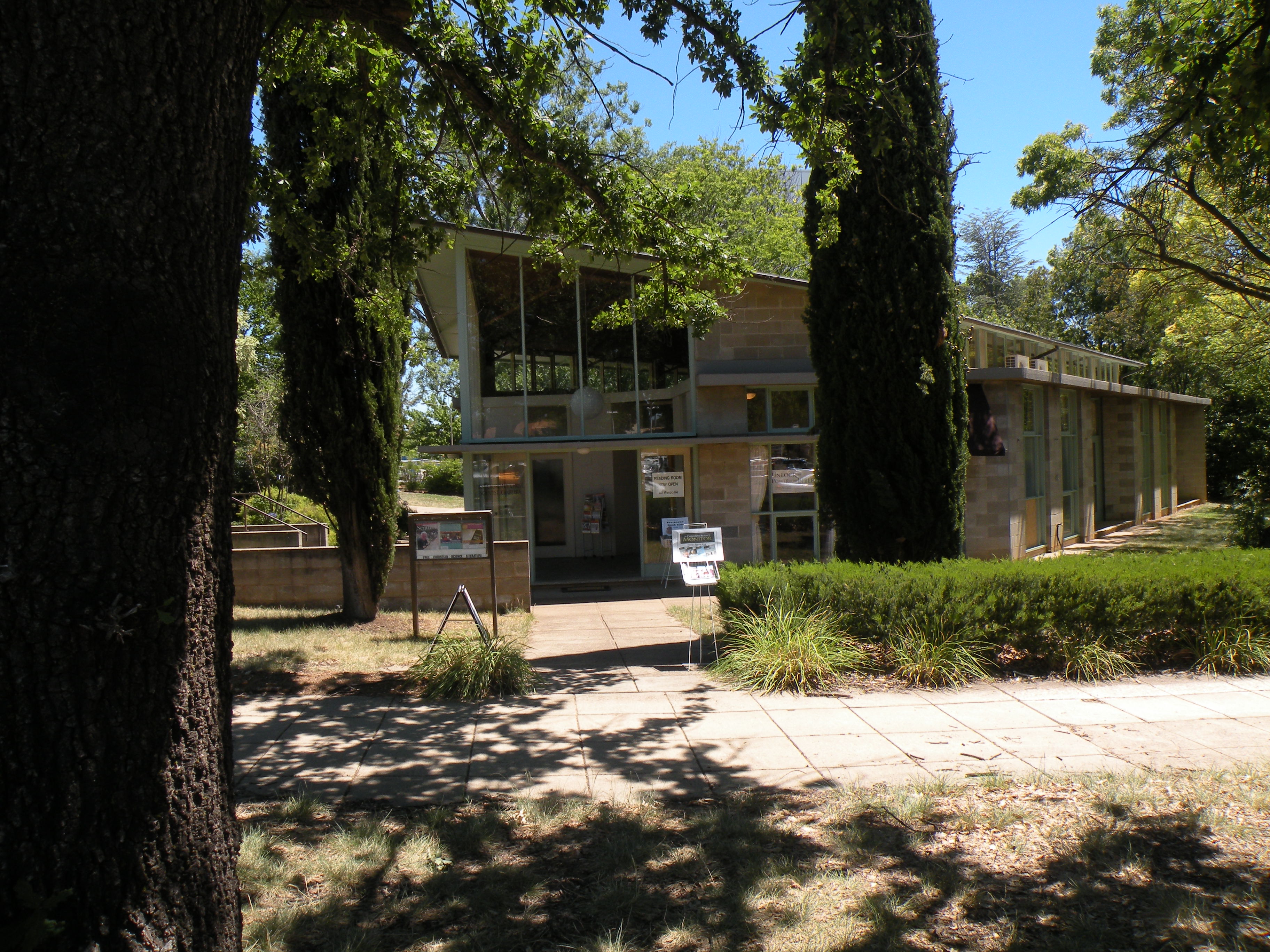 Is This Body Me? – Readings from the Bible and the textbook of Christian Science, Science and Health with Key to the Scriptures by Mary Baker Eddy.
Every Wednesday at 6.15 pm a Testimony Meeting is held at the Christian Science Church in Canberra. Each meeting begins with readings selected from the two books designated as the Pastor of Christian Science: The Bible and Science and Health with Key to the Scriptures by Mary Baker Eddy. A new topic for the readings is selected each week.
At the conclusion of the short readings the congregation is invited to share thoughts on this topic and relate how they have used the principles of Christian Science to solve life’s problems and bring physical healing.
If you are in Canberra on any Wednesday please join us. Everyone is welcome.
This recording represents the readings on the topic: Is This Body Me?
.
Your Age Doesn’t Define You 6 comments
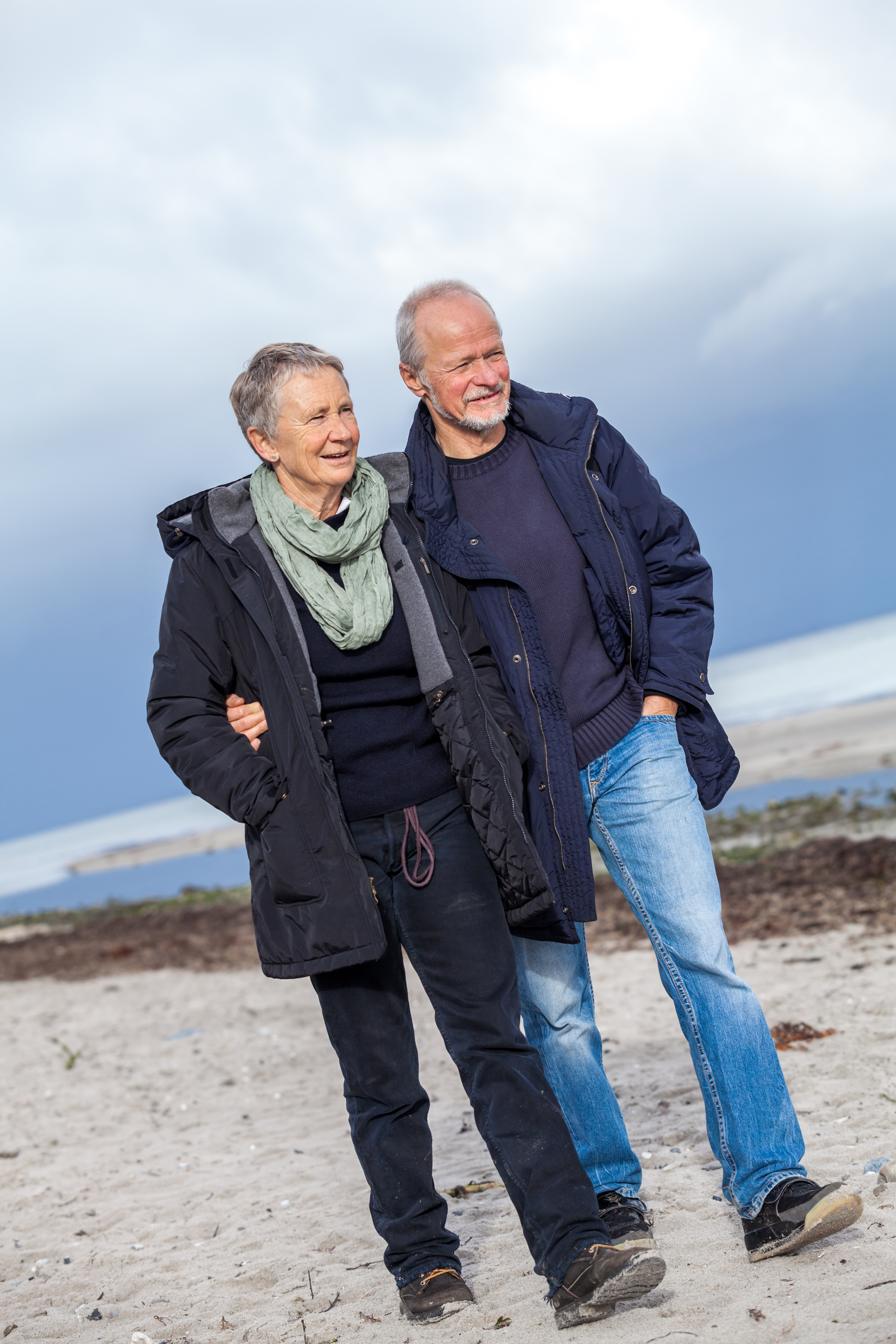 Do you believe that you are you are ‘as young as you feel’? That you’re free to take charge of your own health, happiness and wellbeing, no matter what your age?
In frustration at some of the ingrained beliefs about aging that he saw shackling his colleagues and friends as they grew older, an American baseball legend asked, “How old would you be if you didn’t know how old you were?” implying that you need to break out of the mental conditioning that makes you think you are defined by your age.
The calendar is a useful way to let you know the date, but if you let yourself be hemmed in by your chronological age, you may lock yourself out of potentially valuable opportunities.
Nextgen population researchers have recognised the greater import of health, cognitive function and life expectancy rather than age data as they plan for future populations. “We should not consider someone who is 60 or 65 to be an older person,” said researcher Sergei Scherbov. “Saying that ‘40 is the new 30’ .. is truer than people know.”
We’ve heard how our health age can be years younger than our calendar age, if we’re active and eat sensibly. Now, research into the mind/body/spirit connection in several fields, including neuroscience and meditation, adds evidence to the claim that it is our mindset, more than the food we eat or the exercise we do, that affects our physical body.
Excited by the health implications of the mind sciences, a Cleveland Clinic Foundation exercise psychologist compared individuals who worked out at a gym against another cohort who just visualized working out. Not surprisingly, the gym-goers experienced a 30 percent increase in muscle. However, the ones who only thought about working out also experienced a 13% increase in muscle strength, urging us to think beyond the physical to mental attitudes and capacities.
Many integrative health practitioners take this a step further, asserting that it is spiritual thoughts and practices that make a significant difference to better health and longevity. Mary Baker Eddy, an early researcher into this connection in her book, Science and Health, suggests that we “…. shape our views of existence into loveliness, freshness, and continuity, rather than into age and blight” for a longer, healthier and happier life.
She also suggests that it’s time to stop focussing on the body so much, and be aware of the myths about aging that are constantly influencing us. Be aware that “timetables of birth and death are so many conspiracies against manhood and womanhood”, and stop keeping a record of ours or others ages; or at least dispute the assumptions of debility and aging every time you buy a birthday card.
Healthwise, it’s worth acknowledging that spiritual, mindful or positive thoughts bring vitality, freshness and promise to each day.
Some have broken free from the belief that they’re ruled by an aging body. You too can adopt a mental attitude of ageless being, and look forward to experiencing the health benefits.
This article, Your Age Doesn’t Define You, is by Kay Stroud. Kay is a health writer focussing on the leading edge of consciousness, spirituality and health. Her articles can be found on Health4Thinkers.
 Christian Science Canberra