Have you not known? Have you not heard? The everlasting God, the Lord, the Creator of the ends of the earth, neither faints nor is weary. His understanding is unsearchable. He gives power to the weak, and to those who have no might He increases strength. Even the youths shall faint and be weary, and the young men shall utterly fall, But those who wait on the Lord shall renew their strength; they shall mount up with wings like eagles, they shall run and not be weary, they shall walk and not faint. “Fear not, for I am with you; be not dismayed, for I am your God. I will strengthen you, yes, I will help you, I will uphold you with My righteous right hand.” “I will bring the blind by a way they did not know; I will lead them in paths they have not known. I will make darkness light before them, and crooked places straight.These things I will do for them, and not forsake them.”
(The New King James Version Bible – Isaiah 40: 28-31; 41: 10; 42: 16; 65: 21, 23, 25)
When man is spoken of as made in God’s image, it is not sinful and sickly mortal man who is referred to, but the ideal man, reflecting God’s likeness. (Science and Health p346: 2)
Man’s genuine selfhood is recognizable only in what is good and true. Man is neither self-made nor made by mortals. God created man. (Science and Health p294:25)
The girl on my Instagram story was eating a special brand of crackers, and I was intrigued—not so much by the crackers, but by her toned physique and apparently charmed existence. On my next trip to the grocery store, I got a box of these crackers for myself. And when I ripped open the package to try them, I had to admit they were good … but they didn’t give me the girl’s “perfect” life.
Because really, on some level, that’s why I’d bought the crackers: I wanted to believe that following in that girl’s footsteps might get me just a little more of what she had—and what I didn’t. Of course, I knew rationally that eating the same food as some girl on social media wasn’t going to give me the life I was imagining. Yet … Click here to continue reading, or to listen to, this article.
2023 has now slid into 2024. Before long we will be planning for 2025. Sometimes it seems that the years slip by more and more quickly and as every year goes by, we add another unit to our age. For each stage in life there seem to be expectations for health, behaviour and appearance. Don’t we talk about the terrible twos or stroppy teenagers? How often do you hear people of advanced years say, when talking about their health: ‘What can you expect at my age?’
How much of this do we have to accept as inevitable? Do we have to accept the subtle, and not so subtle, standards that society places upon us? Do the years under our belt really define who we are and how we function, how attractive we are?
I was looking at an old black and white photo of my mum the other day. I guess she would have been in her early twenties, so the photo was taken over seventy years ago. As a young woman my mum was very lovely. She had a special grace about her that made you want to look longer.
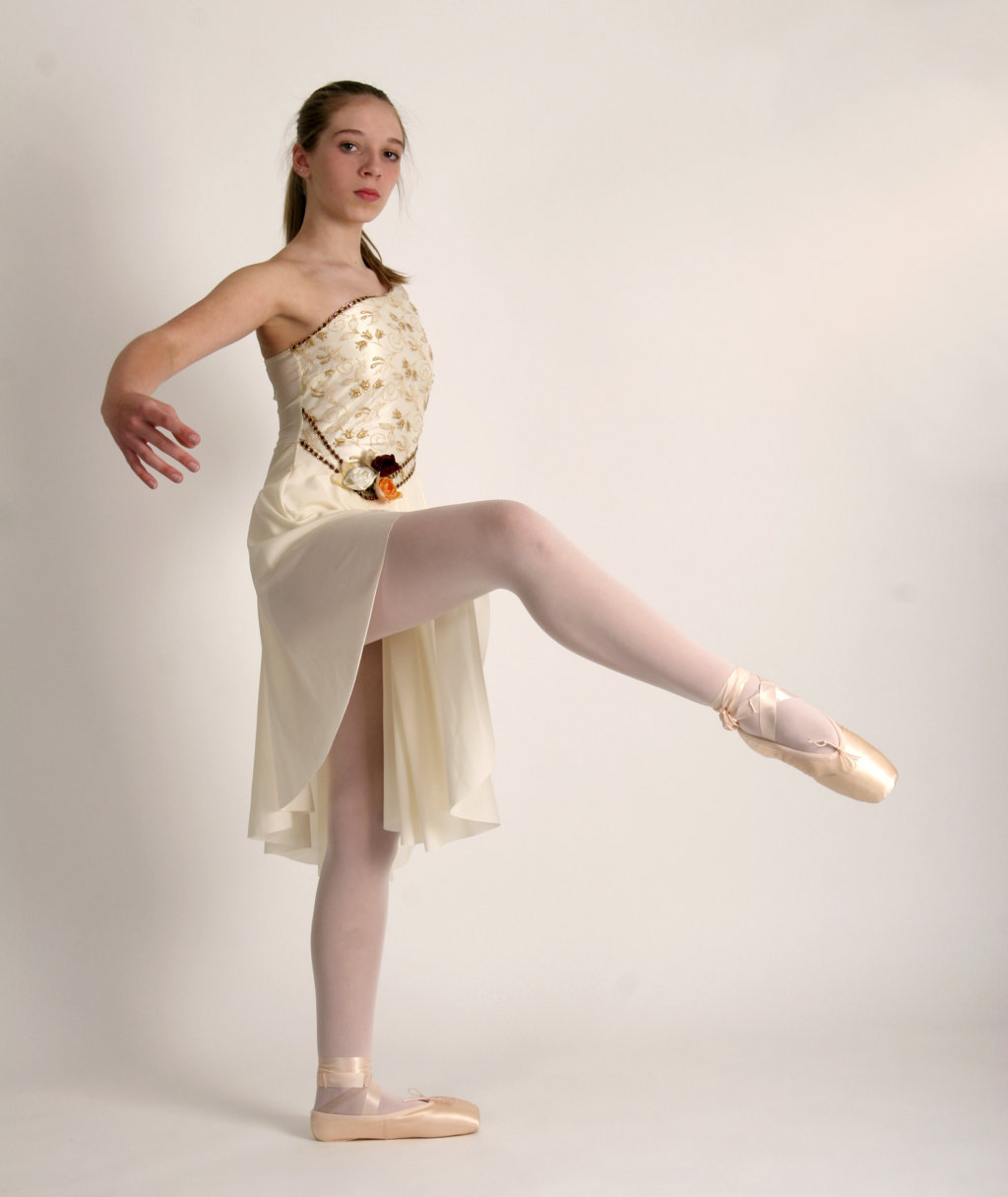
I began to think, if she was around today looking like that you would still have to say she was beautiful, but she wouldn’t fit today’s standards of beauty. Her skin was whiter, her body fleshier, her hair contrived into curls and she wore a pretty frock. Standards of beauty change. This set me to thinking about what beauty really is. In each era fashion seems to give us strict dictates as to what the ideal look is – how tanned our skin should be, how lean our body, even the shape of our eyebrows. Not many of us fit that ideal model. So does this mean that we are not beautiful? If we do fit those standards, are we only beautiful for a short while? Does age diminish true beauty? Our society is currently quite preoccupied with youthfulness but true youthfulness is not defined by our age but by the youthful qualities we express.
My mother knew the impact that thought has on experience. To the end she was a strong, healthy, active woman. The qualities people saw in her – intelligence, calmness and strength in the face of trouble, joy at the little things, devotion to family and friends, innocence, resilience, energy – these qualities shone out of her right to the last. They were the qualities that people mentioned when they commented on how lovely my mother was.
Mary Baker Eddy, one of the first women to investigate thoroughly the connection between consciousness and experience, writes in her book, Science and Healthwith Key to the Scriptures (p208): You embrace your body in your thought, and you should delineate upon it thoughts of health, not of sickness. Perhaps if we put as much thought and effort into developing beautiful qualities of Mind as we do our outward appearance our beauty and health would be less ephemeral and blossom with the passing years.