
People calling themselves influencers seem to proliferate on social media nowadays. A quick Google search revealed that they are often people who have come to prominence because of their particular skills. Some were wildlife ‘warriors’, some were sports people, some musicians, and some seemed to be famous just for being famous. There were many!
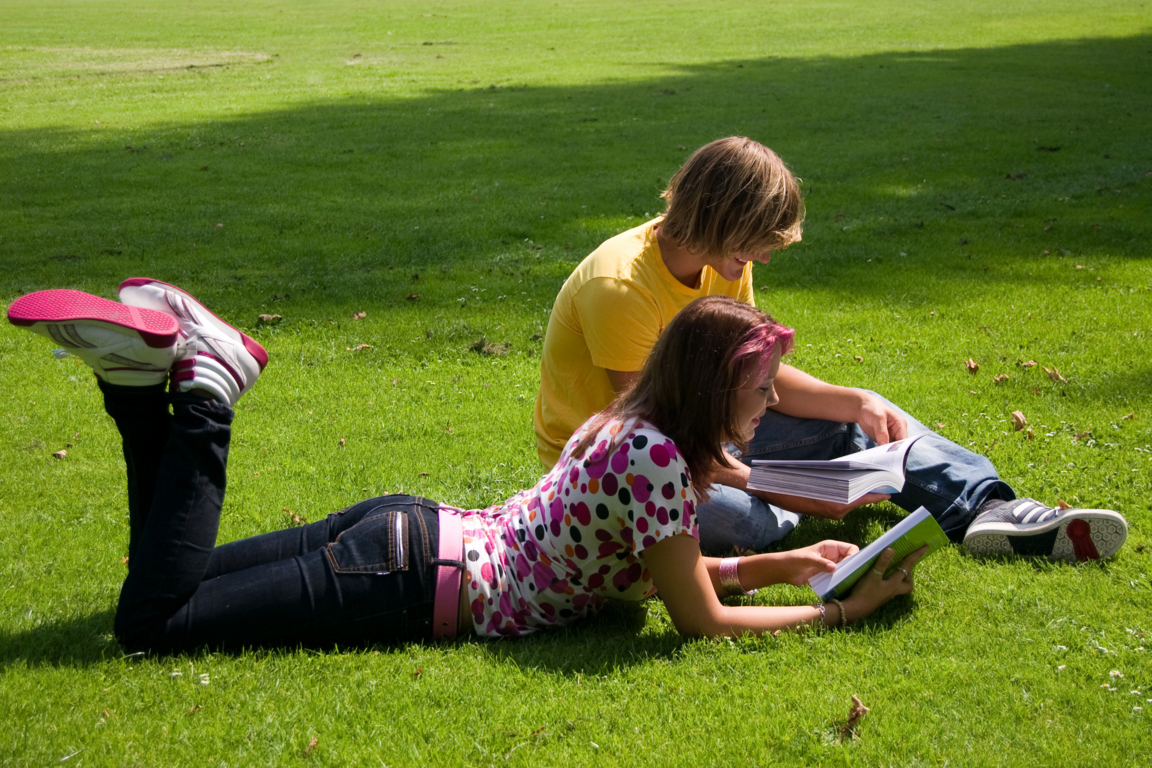
This started me thinking about what it means to be an influencer. Are we not all influencers in some respect? When my son was in primary school, each year he was seated next to classmates who found listening to instructions and staying on task difficult. The idea was that my son, who was a steady and capable worker, would be a good influence on his desk-mate. I asked him if he minded this. He said that if he could help someone else achieve more or be more successful, then he was happy to do this.
When I thought more about this, I realised that all of us are exerting an influence in some form. I ask myself: Am I, like my son, accepting that the way I handle life can be an influence for good?
In our day-to-day lives dealing with routine tasks at work, in the family or the community our actions are not neutral. We are always contributing to the mental atmosphere for better or for worse. The way we handle situations that seem not to go smoothly can have a big impact on those around us. Our response when we think someone has acted thoughtlessly, or has inconvenienced us, influences the mental atmosphere. If we meet each of these situations with grace, compassion, forgiveness, generosity then we have been an influencer for good.
Mary Baker Eddy, the founder of Christian Science writes: Your influence for good depends upon the weight you throw into the right scale. The good you do and embody gives you the only power obtainable. (p192 Science and Health with Key to the Scriptures). This is an hourly – even a moment by moment – demand on each of us. This is how we too can be real influencers for good.
Contributed by a member of the Canberra Christian Science community.

 Christian Science Canberra