Archive for the ‘Happiness’ Category
 Eliminating fear is good for your health say experts.
Mind-Body Interventions such as patient support groups, prayer, spiritual healing and a state of calmness produced through meditation, can all help reduce bodily stress.
Fear is like luggage you carry around with you. It comes in all shapes and sizes. Some fears you can put down and walk away from. Others seem to be firmly attached to you. You know the kind I’m talking about. It can be a fear of going to the dentist, speaking in public, personal safety, not being able to pay the bills, fear of getting sick, and yes, even a fear of dying.
You often know when you feel nervous or afraid, through certain bodily sensations. For example, you get butterflies in the stomach, sweaty palms, dry mouth, shortness of breath, or rapid heartbeats. On such occasions, fear itself seems to be quite tangible, even physically concrete.
While fear appears to be expressed in a bodily way, it actually starts in thought. This may appear obvious, but it’s a point that often gets overlooked when we’re caught up in an anxious moment, or feeling ill. Being aware of this mind-body connection, provides a starting point for working beyond fear. It leads to finding a pathway for resolving a fearful situation, and to achieving better health.
One way to achieve fearless living, is to practice calm thinking whenever those internal alarm bells are sounding. According to Herbert Benson, M.D. Associate Professor of Medicine at Harvard Medical School and founder of the Mind Body Medical Institute, this can be accomplished by “prescribing meditation – not just medication”. As the author or co-author of more than 170 scientific publications and seven books, Benson encourages a state of calmness through meditation as a means of reducing the bodily stress which is often engendered by fear.
While there are various ways to meditate, one method that many people have found to be effective involves spiritual thinking, or prayer. Thoughts of divine protection, as I’ve discovered, can help dissolve fearful concerns about health and personal wellbeing. This can calm thought, prevent fear from governing the body, and correct health problems engendered by fear. And why not? Evidence of the effect of spiritual thinking on the body are not new. One pioneer and writer on health and spirituality, Mary Baker Eddy, documented them during the last century.
Today modern health campaigner Deepak Chopra, MD, is exploring paths beyond western medicine and surgery. Although a board-certified endocrinologist, he believes that “The experiences of joy, compassion, and meditative quiescence (calmness) could be powerful tools to restore homeostasis (a state of equilibrium) and strengthen our self-repair mechanisms.”
Chopra is not alone in his views. In August 2012, I attended the Australasian Integrative Medicine Association conference in Melbourne. Doctors, nurses and other health care professionals who were present, discussed ways an integrative medicine practice could help patients achieve “optimal health and healing.” This included making use of “all appropriate therapeutic approaches, health care professionals and disciplines”, as well as “Mind-Body Interventions such as patient support groups, meditation, prayer, spiritual healing, …”
Those in the medical fraternity who seek the healing of fear and of fear-related illness through complementary practices, are to be commended. As Chopra says, “The mystery of healing remains unsolved. If we combine wisdom and science, tradition and research, mind and body, there is every hope that the mystery will reveal its secrets more and more fully.” Such unbiased inquiry as he proposes, could lead us to understand how to live a fear-free, healthy life and to the role that spiritual thinking can play in the healing that follows.
This article, Fearless Living is Healthy Living, by Beverly Goldsmith was originally published on her blog site, Spirituality and Health Connect. Beverly is a Melbourne-based health writer who provides a diversity of health content on how spirituality and thought affect health.
 One Saturday morning I was standing in the foyer of a young peoples’ theatre. Students were gathering for their weekly drama lesson. A teacher who had been away the previous several lessons arrived. I watched as one by one children sidled over to her.
“I did my piano exam,” one told her.
“I’ve auditioned for an arts program.”
“I lost my tooth.”
Their teacher embraced each with a comment, or smile, or hug – an affirmation of value. Children know when teachers or coaches care for them and they shine under this attention. Apart from the instruction in drama, football, or swimming, this is also of real value.
As kids become adolescents they enjoy finding people that care for them enough to verbally spar with them, let them exercise their wit, reason and questioning of the world. They want teachers, coaches, friends and neighbours to care enough not to always agree with them as they develop their own unique identities. Finding a variety of situations where this can safely happen can be a challenge.
In the Christian Science Sunday School time is given for the fostering of caring respectful relationships. Grouped around similar ages up to 20, a teacher or facilitator typically stays for two to three years. Relevant ideas from unique thinkers in the Bible and the book, Science and Health with Key to the Scriptures by Mary Baker Eddy, prompt discussion.
Along with a pre-teen group, I was part of an exploration of an idea from this book: ‘The divine Mind maintains all identities, from a blade of grass to a star, as distinct and eternal.’ There were no right or wrong answers. It included a discovery of our spiritual identity, our pets and the local water-ways!
This group grew in confidence at school and in extra-curricular activities. They uncovered something about their spiritual identity. As part of the group I learned about soccer umpiring, teenage movies, pokemon and mine-craft. Our regular one-hour a week together was a cheerful win-win all round!
In Canberra the Christian Science Sunday School operates every Sunday 10.00 – 11.00 am. It is located at the corner of Macquarie and Bligh Street in Barton. Visitors and new pupils up to the age of 20 are warmly welcomed. Instruction in classes is based on the Ten Commandments, the Beatitudes and the Lord’s Prayer.
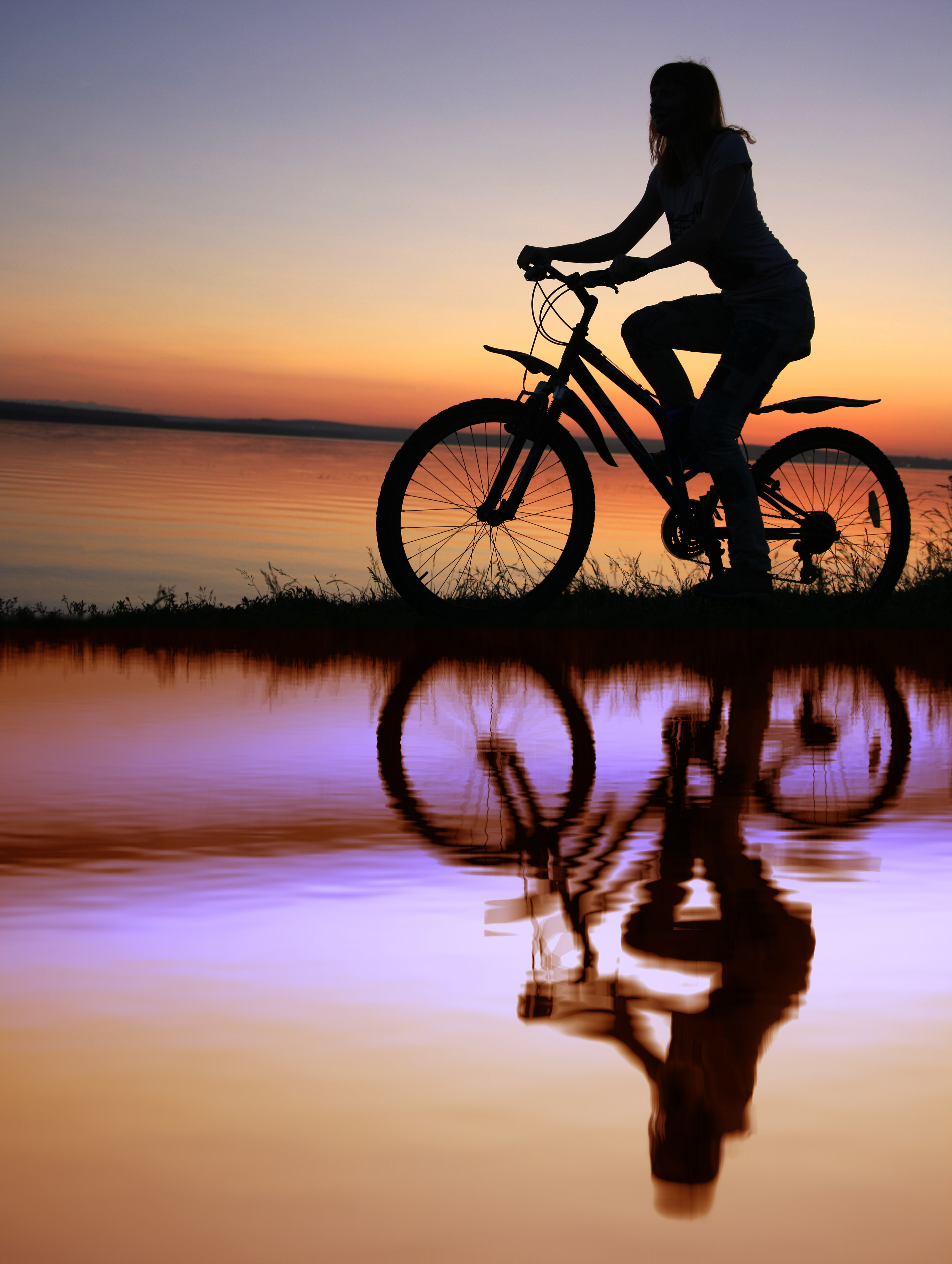
 1. Hope
Hope is the stuff of change, recovery and healing, according to Dr Shane Lopez, author of the new book: Making Hope Happen: Create the Future You Want for Yourself and Others. “Hope is half optimism. The other half is the belief in the power that you can make it so”, writes Lopez.
Hopeful people make an investment in the future that pays off in the present: in the way they eat, exercise, conserve energy, take care of themselves and stick to their treatment plan. He suggests that this sort of “change in mind-set has the power to alter neurochemistry”.
It takes work to keep your thinking in tune with what’s good around you. For me, trust that ‘good will win’ lifts me out of the daily grind of thinking that what I see and hear is all there is to us, into a mental realm a bit higher.
2. Show Your Gratitude
Studies show that saying ‘thanks’ reduces stress, and giving back through volunteering is good for your heart, in more ways than one
For example, researchers from the University of British Columbia found that volunteers who felt more empathy and put in more time and effort not only experienced greater mental health but also better cardiovascular health.
Research cited by Dr Stephen Post in his book Why Good Things Happen to Good People also found that giving in high school predicts good physical and mental health in late adulthood; generous behaviour reduces adolescent depression and suicide risk; giving quells anxiety; giving to others helps facilitate self-forgiveness and increases your longevity; giving is so powerful that sometimes even just ‘thinking’ charitable thoughts helps us.
This could be the right moment to volunteer to do Meals on Wheels or tuck shop duty, offer to coach your friend in maths or put up your hand to coach the soccer team …. and give thanks. It could not only help others, but also help you.
3. Love
We need to move past our cultural preconceptions that sometimes equate love only with infatuation, sexual desire or fairytale endings. Love is kindness and compassion.
“Love literally [makes] people healthier”, reported Dr Barbara Fredrickson, Professor of Psychology at the University of North Carolina.
“People tend to liken their emotions [like loving] to the weather, viewing them as uncontrollable,” said Fredrickson. This research shows not only that our emotions are controllable, but also that we can take the reins of our daily emotions and steer ourselves toward better physical health.
Love – moments of warmth, connection and openness sprinkled throughout your day – holds the key to improving our mental and physical health as well as lengthening our life.
4. Forgive
It’s one of the hardest things to do, but if you do it will make a big difference to your happiness, your relationships and your health.
For example, researchers from the University of California in San Diego found that people who let go of their anger could decrease the physical effects of stress.
Forgiveness is aptly described as ‘a change of heart’. Iowa doctor, Katherine Hurst MD, says, “I had a patient who went through a rough divorce and it took her years to get over it. She was on antidepressants, blood pressure meds and sleeping pills. When she finally forgave him and forgot about the marriage she was able to go off all of them”.
5. Meditate
Take some time to meditate, or contemplate, each morning, even if only for a few minutes. Studies have shown that prayer, meditation and attendance at religious services all benefit health in ways that scientists cannot fully explain.
“… [meditating] even 5 or 10 minutes, say a couple of times a day can start to produce significant benefits”, affirms Dr Craig Hassad, internationally recognised expert in Mindfulness Meditation, now a resident at Monash University Medical School. And it seems that many can now attest to the health benefits of doing just that.
The inclusion of meditation or prayer as part of our health care is increasingly being recommended by doctors to treat both mental and physical illness. In time, could meditation be seen as ‘the new normal’?
I find that using only one of these fabulous 5 tips brightens my day and makes me feel a whole lot better – renewed and revitalised – which points to the proposition that we’re much more than just a body.
It’s clear that these 5 easy tips are mental change agents that empower us, and make us happier and more fulfilled.
Growing numbers of people are seeing how mental approaches like this also lead to surprisingly better physical and mental health.
This article is by Kay Stroud. Kay is a health writer focussing on the leading edge of consciousness, spirituality and health. Her articles can be found on Health4Thinkers.
 Recently, thousands of people attended the Mind Body Spirit Festival in Brisbane. I made my way there through the gloomy weather on Sunday, to find a really ‘happening’ event, a lot like the Health Harmony and Soul Expo held on the Gold Coast earlier in the year.
There were a surprising number of Millennials and Gen Ys amongst the Baby Boomers and Gen Xs in attendance, as ready to explore the ideas of philosophy and religion, as they were to try out the organic tea or get their ‘reading’.
I got the impression that there was general agreement between those on stands and within their vibrant audience that health is about very much more than treating a body.
Quite a few I spoke to had pondered the mental nature of health, had heard about the medical research into the effects of spiritual and religious sentiments such as forgiveness and gratitude.
Dozens were eager to add their contribution to the ‘gratitude tree’ by writing down what they were grateful for … and pinning it on the murraya bush in the Christian Science Reading Room stand.
Don’t get me wrong. The majority of these people harboured a healthy scepticism of anything nonsensical or obviously geared to a purely money-making concern.
The astounding thing is that these were your average Aussie ‘blokes’ and ‘sheilas’. Just like the lady I met today. While her job was in real estate, she confided when I mentioned that I was a health blogger, that she’d investigated kinesiology and other alternative therapies and knew how important her thoughts were to her wellbeing.
It’s not surprising to learn that two-thirds of Australians use complementary and alternative medicine (CAM), and many of these recognise the interconnectedness of our thoughts with our health.
Suddenly results from thought-based treatments such as placebos, epigenetics, psychotherapy and meditation are big news.
A medico who turned from Western medical treatments when they failed to help her, took matters into her own hands. Through her research, Dr Lissa Rankin discovered that traditional health care was missing a couple of crucial insights:
taking responsibility for your own wellbeing is essential; and that we need to care for the whole package – our mind, heart and soul.
Rankin’s book, Mind Over Medicine, advances understanding of the great conundrum of the past 150 years – how our mind, bodies and spirit interconnect.
She found that thoughts, feelings and beliefs can alter the body’s physiology, discerned that loneliness, pessimism, depression, fear and anxiety damage the body, while intimate relationships, gratitude, meditation and creativity turn on the body’s self-healing processes.
Theologian, author, and founder of Christian Science, Mary Baker Eddy wrote and taught about the mental nature of disease way back in the 19th century.
She proved that a Mind-based (or God-based) view of health and life leads to cures in both mind and body.
Eddy described some of the states of thought that might generate disease in her book, Science and Health with Key to the Scriptures, which endorses what many people like Rankin recognise as harmful to health today.
She wrote, “Hatred, envy, dishonesty, fear, and so forth, make a man sick, and neither material medicine nor Mind can help him permanently, even in body, unless it makes him better mentally, and so delivers him from his destroyers.”
For me, it’s imperative to recognise my spiritual identity, which Jesus exemplified and explained so well, and can be nurtured and discovered through daily prayer and meditation. I find that this also keeps the body healthy, as well as repairing and healing.
It looks like many are now ‘on the same page’, sharing the profound knowledge that happiness and health are dependent on a healthy mind, body and spirit.
This article by Kay Stroud, a health blogger who is interested in the mind-body connection, was originally published on her blog, Spotlight on Spirituality and Health. It was also published on these media websites: Toowoomba Chronicle, Wanganui Chronicle, The Aucklander, Grafton Daily Examiner, Coffs Coast Advocate, Bay of Plenty Times.
 Picture this. A young mum powering around the front lawn behind a lawn mower, baby in the pouch on her chest screaming his head off.
Reserve your judgement, because in a very short time he has calmed down owing to the monotonous noise and rhythm. The mother has used her wisdom, love and creativity to avert several hours of frustration for them both.
That mum was me over 30 years ago, and I found that parenting took the most energy, intelligence, selflessness, generosity, kindness, forgiveness, decisiveness, endurance, perseverance, enthusiasm, commitment, organisation and wisdom that I have ever needed to muster.
You’d have to agree that we need to be both mentally and physically fit and healthy to manage the complexities of raising a family.
Recently it was the inaugural, national Women’s Health Week, dedicated to improving the physical and emotional health and wellbeing of all Australian women right across the life span and addressing a range of women’s health issues holistically and to keep women well.
Taking time out for themselves, getting active, eating well and reaching out to family and friends are some of the pledges we’re being encouraged to make during this week.
Have a look at their website. There are the usual pledges to exercise more and eat a balanced diet, but it’s interesting to note that there are also a surprising number of pledges that acknowledge the importance of the quality of our thoughts to our health and wellbeing. For instance, “I pledge to be more grateful on a daily basis”, “I pledge to take better care of myself both physically and spirituality”, “I pledge to practise controlling my thoughts and focusing on the here and now”, “I pledge to love myself”.
All well and good you may say, but how can a spiritual viewpoint help with some of the critical mental challenges we experience when we become parents?
Experiencing post-natal depression after the birth of her eldest daughter well-known news presenter, author and columnist Jessica Rowe struggled with feelings of inadequacy, resentment, fear and shame. It was only when she summoned the courage to ask for help that the psychiatrist helped her to overcome these feelings.
I sought a similar, though different, sort of help as I dealt with the issues of isolation and uncertainty during the early years of child-rearing. I can truly say that it was my daily spiritual practice that developed a growing understanding of the divine Mind and maintained my mental health during this time. When I was ‘tuned in’, it brought moment-by-moment inspiration and answers about the how to, what, when, who and why of child rearing.
Explaining the benefits of ‘tuning in’ to the Divine, 19th century mind/body researcher and religious reformer Mary Baker Eddy, identified Moses’ unwilling acceptance of leadership and subsequent courageous nation-changing actions as such ‘tuning in’, “illustrat(ing) the grand human capacities of being bestowed by immortal Mind.”
“Australia has become increasingly secular over the years. Despite this, however, it is interesting to see a significant relationship between spiritual experiences and better mental health (lower depressive and anxiety symptoms)”, the conclusions of a recent study conducted by the School of Psychiatry and Clinical Neurosciences at the University of Western Australia found.
As healthcare continues to evolve and provide more complete, holistic care for patients, the importance of religion and spirituality is increasingly being emphasised as a central determinant of quality of life and conferring positive benefits to mental health, even to coping with the distress of early motherhood.
Psychologists are now developing and evaluating a variety of spiritually integrated approaches to treatment, including: forgiveness programs to help divorced people come to terms with bitterness and anger; programs to help survivors of sexual abuse deal with their spiritual struggles; treatments for women with eating disorders that draw on their spiritual resources; and programs that help drug abusers re-connect to their higher selves”.
Pledges to develop our spirituality, by taking the time to be more grateful, love ourselves and others more, to be kind when someone is mean or thoughtless, to do a good deed each day and to forgive (even drivers who hog the inside lane) will bring not only increased mental health, but can also benefit us physically.
Along with women’s health, September offers many opportunities to consider a spiritual approach to dealing with mental health issues: RU OK Day, Exercise Your Mood Month and World Suicide Prevention Day.
Ladies, this week join the growing numbers of women choosing to adopt and benefit from a spiritual practice for all round wellbeing.
This article by Kay Stroud, a health blogger who is interested in the mind-body connection, was originally published on her blog, Spotlight on Spirituality and Health. It was also published at The Toowoomba Chronicle, and on these other APN news sites: the Sunshine Coast Daily, the NSW Northern Star and the Mackay Daily Mercury.
 Surveys, Conferences, Flash Mob!
It’s been a happy morning so far… 6am gym-without-walls; hearty breakfast; mental fitness session with God; caught up on the news; watched an impromptu flash mob on-line (these always bring a smile!); read a recent report on a scientific breakthrough regarding the “happiness gene” 5-HTT; read the latest health survey finding “Australians are the happiest people in the world”.
What would make me unhappy right now? If the plumbing sprung a leak. If my internet connection bombed out. If the café ran out of cappuccino this morning. If I felt unwell. If a loved one phoned to say there was a death in the family. How quickly happiness can be ripped away! What sure foundation of thinking can I hold on to, especially for my latter “ifs”? Is there such a thing as being completely happy, as opposed to positive thinking making us happy?
1828 Webster’s Dictionary: ALL-HAP’PY. a. Completely happy.
In the 1913 Webster’s dictionary this exact word was not found. I wonder… did the word disappear because it wasn’t believed any longer?
The 5-HTT gene discovery doesn’t claim to have all the answers. Scientists analysed genetic data from more than 2500 participants in a US investigation looking at health-related behaviour in adolescents. A Sydney Morning Herald article quotes: “Jan-Emmanuel De Neve, a behavioural economist from the London School of Economics and Political Science, who led the research, said: “Of course, our well-being isn’t determined by this one gene – other genes and especially experience throughout the course of life will continue to explain the majority of variation in individual happiness.””
There’s no shortage of surveys and conferences in the quest to understand happiness and wellbeing. The OECD (Organisation for Economic Co-op & Development) rates Australians as the happiest people in the world. The survey was done on income, education and health — news.com.au.
How to find it? How to feel it? How to keep it?
Most of these health surveys indicate that thoughts are seen as brain-based. When it comes to feelings like happiness and wellbeing, it makes sense that we should be looking beyond brain into consciousness. Philosophers, theologians and all the thought-storming schools you can muster have looked at these fundamental questions throughout history. But ‘now’ belongs to the individual and we have other choices. It would be an unjust “sentence” to be told that you don’t have the right length “happiness genes” to be happy like some other lucky ones. There are scads of accounts of depression and other mental illnesses being completely healed, through the power of reasoning against sentences of that nature. We have divine authority to expect to be happy and well – these are spiritual qualities that are the makeup of every person. I’ve found in my practice of Christian Science, that reasoning our way through physical problems to spiritual answers is imperative. It’s beyond chemical control, and beyond the common idea of positive thinking.
Some very helpful excerpts from ‘Science and Health with Key to the Scriptures’ published in 1875, by Mary Baker Eddy:
“Through human consciousness, convince the mortal of his mistake in seeking material means for gaining happiness. Reason is the most active human faculty.”
“Happiness is spiritual, born of Truth and Love. It is unselfish; therefore it cannot exist alone, but requires all mankind to share it.”
In the Science of Mind Forum at the Happiness and Its Causes Conference – held in Brisbane, QLD Australia – the Dalai Lama spoke about “human nature that makes it so difficult to change our unhelpful thoughts and bad behaviours.” His talk was titled: ‘Changing our minds for a happier life’. Natasha Mitchell spoke with the Dalai Lama on the subject. Mitchell is a science & health journalist in Australia, and host/producer of the popular program, ‘All in the Mind’ on ABC Radio National and Radio Australia.
It’s great that there’s no shortage of discussion on happiness. At the end of the day, are you feeling any better? If not, it’s worth looking into mental fitness sessions with God (Truth and Love), and understanding that it’s normal to feel “completely happy”.
This article was orginally published on Health 4 Thinkers by Carey Arber. Sydney-sider Carey writes on health, incorporating research on the link between consciousness and wellbeing.

 Eliminating fear is good for your health say experts.


 Christian Science Canberra